
After more than ten years working as a siding professional across Western Pennsylvania, I’ve learned that siding in Pittsburgh, PA is far less forgiving than people expect. Between constant moisture, freeze–thaw cycles, shaded elevations, and older wall assemblies, siding failures here usually trace back to details that were rushed or ignored—not the material itself.
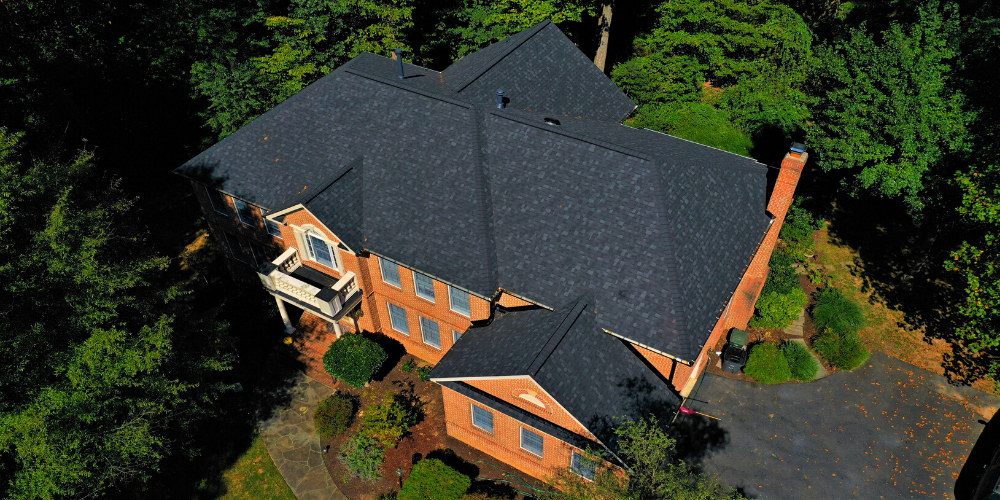
One of the first projects that really changed how I approach siding involved a brick-and-frame home where the owners kept dealing with peeling interior paint and a musty smell near the back wall. The vinyl siding looked fine from the street. Once we removed it, we found water had been getting behind the panels for years because the original installer skipped proper flashing around a window bank. In Pittsburgh’s damp climate, that kind of mistake doesn’t stay cosmetic. The sheathing was soft in places, and the fix required far more than swapping panels.
I’ve found that older Pittsburgh homes present challenges you don’t see in newer developments. Uneven walls, past renovations, and mixed materials mean siding rarely goes on perfectly square. Last summer, we worked on a house where the previous crew had forced panels to line up visually instead of accounting for wall movement. Over time, that pressure caused buckling during temperature swings. When we reinstalled, we left proper expansion gaps and addressed drainage behind the siding. The difference wasn’t flashy—but it was correct.
A common mistake homeowners make is choosing siding based only on appearance. I’ve seen high-end products fail early because no one paid attention to moisture management. House wrap that’s improperly sealed, starter strips set too tight, or missing kick-out flashing can quietly let water travel behind the system. In this region, siding has to do more than look clean—it has to shed water predictably, even during wind-driven rain.
Experience also teaches you what to push back on. I advise against skipping inspections of the underlying wall just to keep costs down. In Pittsburgh, it’s common to uncover rot near deck ledgers, porch roofs, or older window openings. Catching those issues during a siding project saves homeowners from much larger repairs later. I’ve had those conversations plenty of times, and while they’re not always easy, they’re necessary.
The siding jobs that hold up here are done by crews who understand how Pittsburgh weather behaves and how older homes were built. When siding is installed with patience and respect for what’s underneath, it doesn’t just improve curb appeal—it protects the structure for years without drama.